
Curious Science
Surprising, evidence-based answers to everyday science questions about your body, your brain and the world around you.
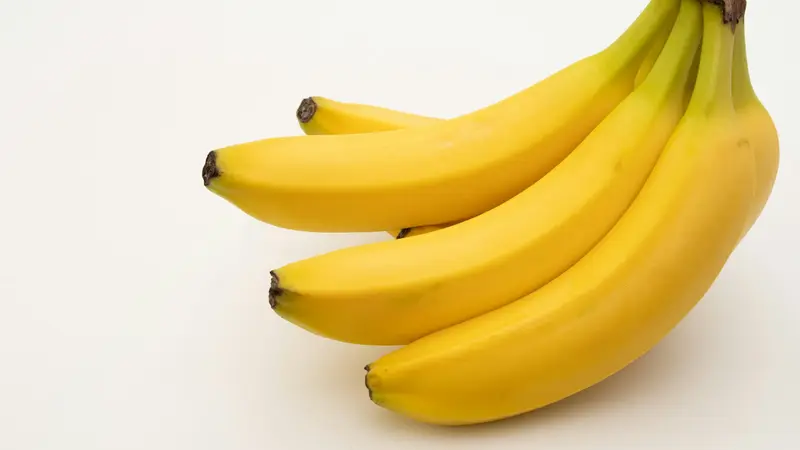
Are Bananas Radioactive? The Real Science (and Why You Shouldn't Worry)
Yes, bananas are slightly radioactive because of natural potassium-40. Here's how much radiation a banana gives off, how it compares to X-rays and flights, and why eating them is perfectly safe.
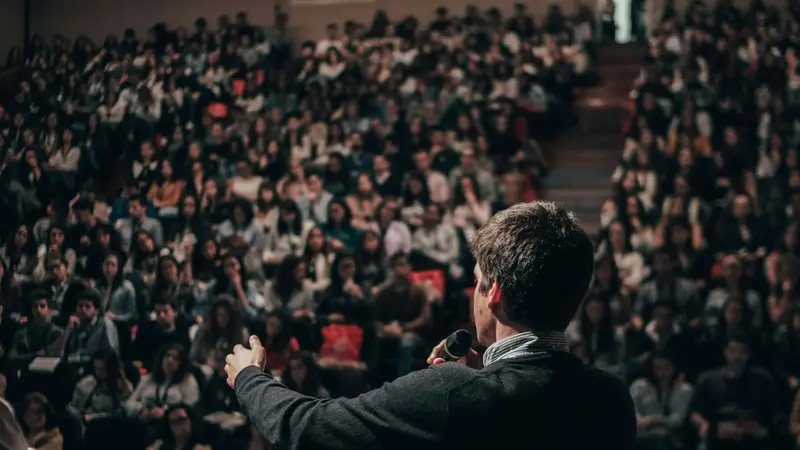
Why We Trust Confident People, Even When They're Wrong
Confident people seem more competent and trustworthy, even when they're wrong. The psychology behind the confidence bias, how scammers use it, and how to protect your judgment.
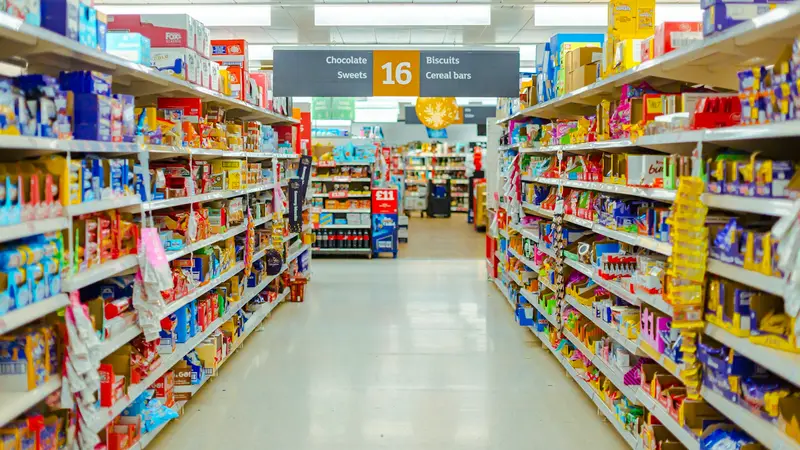
Decision Fatigue and Hunger: Why You Make Worse Choices When Tired or Hungry
Why do we make worse choices when tired or hungry? What research really says about decision fatigue, hunger and willpower, including famous studies that didn't hold up.

Does Thinking Burn Calories? How Much Energy Your Brain Really Uses
Your brain uses about 20% of your body's energy, but does hard thinking burn extra calories? Here's what the science says about brain energy, mental fatigue and the 'chess player diet' myth.
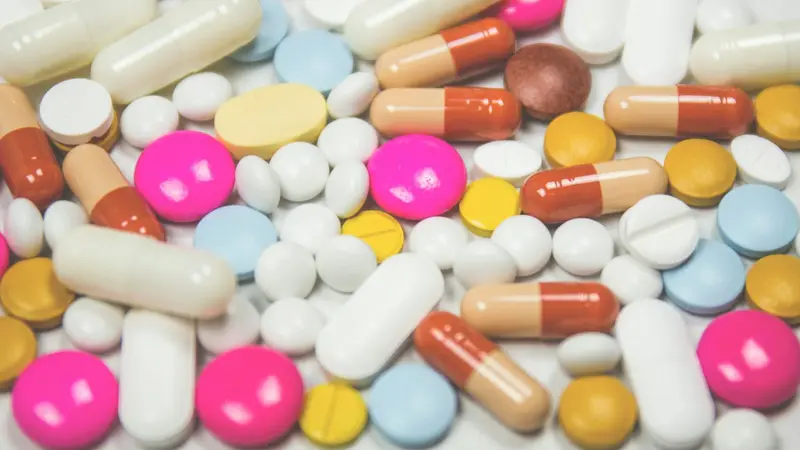
The Placebo Effect: Why Fake Treatments Can Make You Feel Better, Even When You Know
Sugar pills can ease pain and nausea, sometimes even when people know they're placebos. How the placebo effect works, what it can't do, and its dark twin, the nocebo effect.
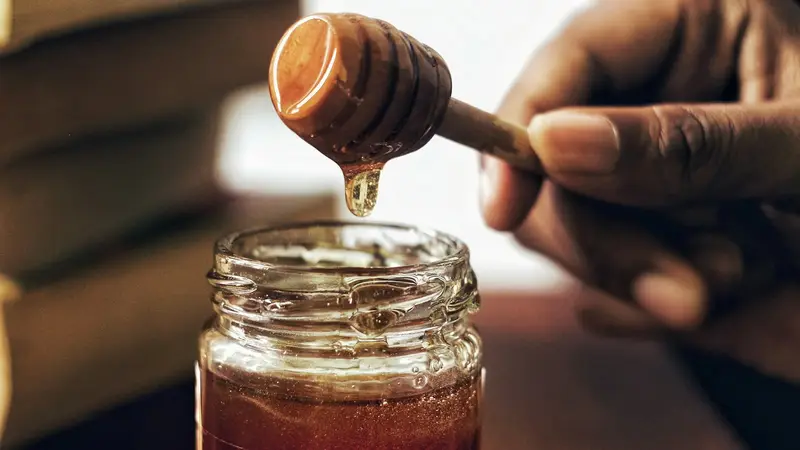
Why Honey Never Spoils: The Science Behind 3,000-Year-Old Honey
Archaeologists have found ancient honey that was still edible. Here's the chemistry that keeps honey from spoiling, why it crystallizes, when it can go bad, and how to store it.

Working Memory: Why You Can Only Hold About 4 Things in Your Head at Once
Forget why you walked into a room? Blame working memory. How it works, why its limit is closer to 4 items than '7 plus or minus 2', and simple tricks to work with it.