Are Bananas Radioactive? The Real Science (and Why You Shouldn't Worry)
Yes, bananas are slightly radioactive because of natural potassium-40. Here's how much radiation a banana gives off, how it compares to X-rays and flights, and why eating them is perfectly safe.
Information current as of November 2026 · How we research · Report an error
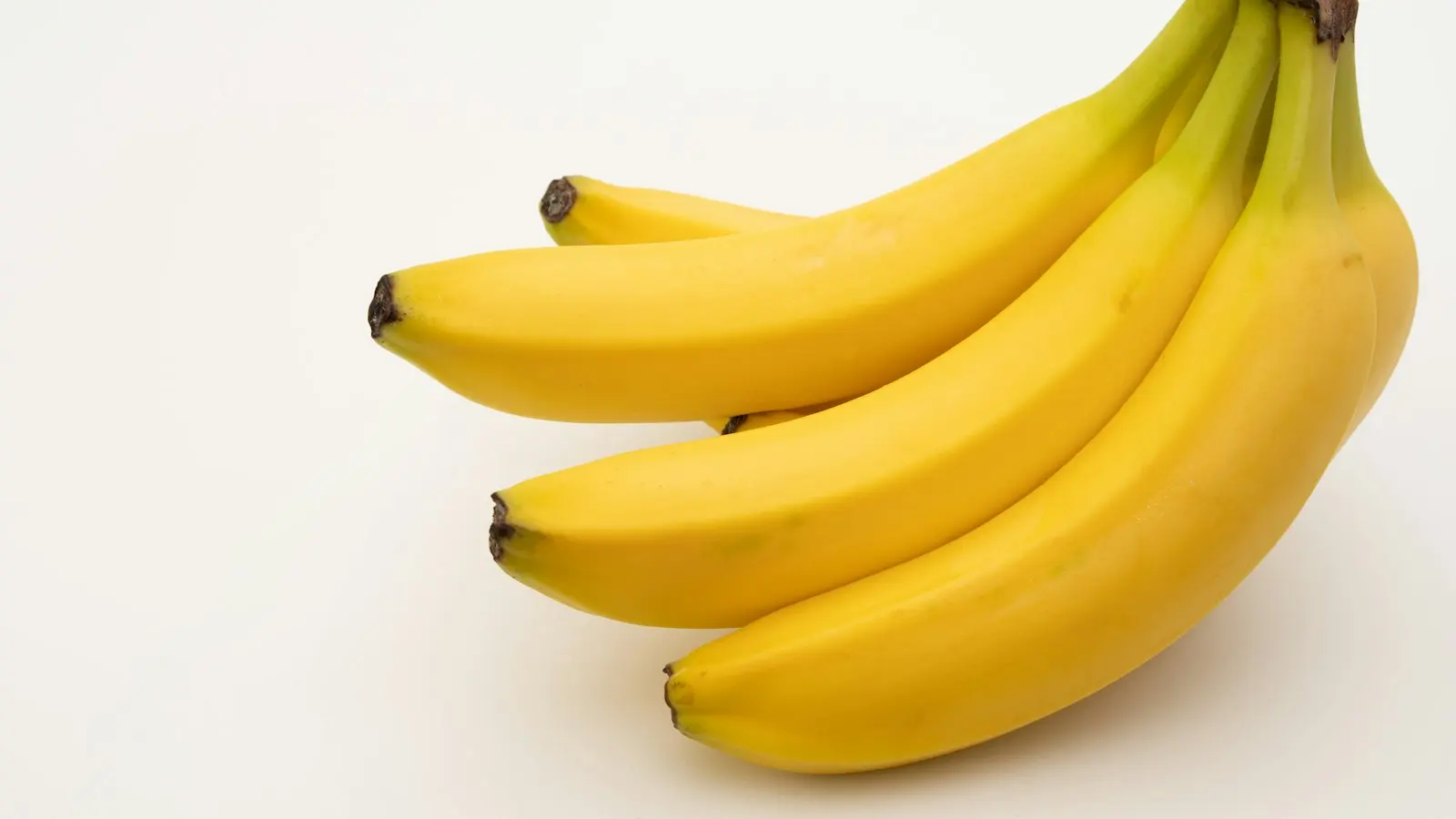
It sounds like a myth, but it’s true: bananas are very slightly radioactive. Before you throw out your fruit bowl, here’s the good news. The amount is tiny, it’s completely natural, and your body handles it without any problem.
Why bananas are radioactive
Bananas are rich in potassium, an essential mineral your nerves and muscles need. A small fraction of all natural potassium, about 0.012%, is a radioactive form called potassium-40.
Potassium-40 has existed since the Earth formed and decays extremely slowly. As it decays, it gives off a small amount of radiation. Because every potassium-rich food contains it, bananas are only one example. Potatoes, beans, nuts, spinach and avocados are naturally radioactive too.
How much radiation is in a banana?
Scientists sometimes use the informal “banana equivalent dose” to explain radiation in everyday terms. Eating one banana is often estimated at about 0.1 microsieverts of radiation dose.
To put that in perspective:
| Source | Approximate dose |
|---|---|
| Eating one banana | ~0.1 microsieverts |
| A dental X-ray | ~5 microsieverts (≈50 bananas) |
| A long-haul flight | ~30–100 microsieverts |
| A chest X-ray | ~100 microsieverts (≈1,000 bananas) |
| Natural background radiation in one year (world average) | ~2,400 microsieverts |
These are rough, commonly quoted figures. Exact values vary by equipment, altitude and location, but the comparison shows how small a banana’s contribution is.
Why eating bananas doesn’t make you more radioactive
Here’s the key point: your body keeps potassium levels tightly controlled. When you eat extra potassium, your kidneys simply remove the excess. So eating more bananas doesn’t make potassium-40 build up in your body.
In fact, your body already contains potassium-40 all the time, because potassium is part of every cell. You are, quite literally, a little bit radioactive yourself, and always have been.
How many bananas would be dangerous?
To get a harmful radiation dose from bananas, you would need to eat an absurd, physically impossible number of them in a very short time. Long before radiation became an issue, the sheer quantity of food would be the problem.
The one situation where potassium matters medically is kidney disease. People whose kidneys can’t remove excess potassium may be advised to limit potassium-rich foods, but that’s about potassium itself, not radiation.
Fun facts about natural radiation
- Shipments of bananas have been known to trigger sensitive radiation detectors at ports, because of all that potassium in one place.
- Brazil nuts are among the most naturally radioactive foods, because the trees absorb radium from the soil.
- Granite countertops, the air we breathe (radon) and cosmic rays from space all contribute to natural background radiation.
- Living at high altitude or flying often gives you more cosmic radiation than any amount of fruit.
Should you worry?
No. The radiation in bananas is natural, tiny and safely regulated by your body. Bananas are a healthy source of potassium, fiber and vitamin B6, and the “radioactive banana” is mostly a fun way to show that radiation is a normal part of everyday life, not something that only comes from power plants and medical scans.
The bottom line
Bananas are radioactive because they contain potassium, and a tiny fraction of natural potassium is potassium-40. But a banana’s radiation dose is extremely small, far less than a dental X-ray, and your body keeps potassium levels in balance. Keep enjoying your bananas.
→ Related: Why Honey Never Spoils and Does Thinking Burn Calories?