Why Honey Never Spoils: The Science Behind 3,000-Year-Old Honey
Archaeologists have found ancient honey that was still edible. Here's the chemistry that keeps honey from spoiling, why it crystallizes, when it can go bad, and how to store it.
Information current as of November 2026 · How we research · Report an error
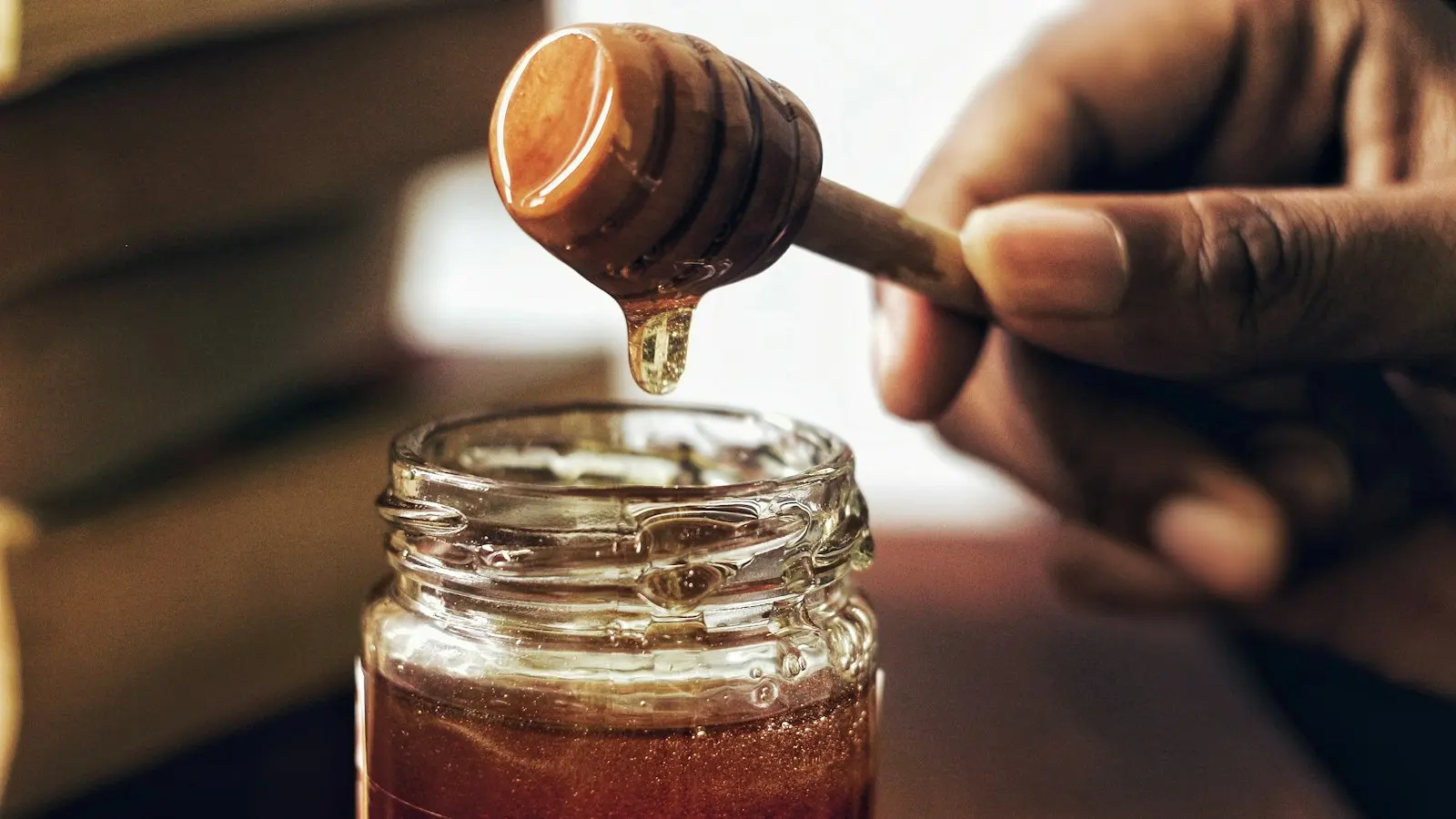
Honey has a reputation as the food that lasts forever. Archaeologists exploring ancient Egyptian tombs have reported finding pots of honey thousands of years old, and older honey remains have been found elsewhere too. So how can a sweet, sticky food resist spoiling for so long when bread goes moldy in a week?
The answer is a combination of chemistry and bees’ clever processing.
The four reasons honey resists spoiling
1. Very little water
Bacteria and molds need water to grow. Ripe honey usually contains only about 17 to 18% water, which is far too little for most microbes.
2. Lots of sugar
Honey is around 80% sugar, mostly fructose and glucose. This super-concentrated sugar pulls water out of any microbe that lands in it, a process called osmosis. Bacteria essentially dry out and can’t multiply.
3. It’s acidic
Honey has a pH of roughly 3.5 to 4.5, similar to some fruit juices. That acidity makes it an even harsher environment for microbes.
4. Built-in hydrogen peroxide
Bees add an enzyme called glucose oxidase to nectar. When honey is diluted slightly, this enzyme produces small amounts of hydrogen peroxide, a natural antimicrobial. This is one reason honey has been used on wounds since ancient times (modern medical honey is specially sterilized for this purpose).
How bees make honey so stable
Honey starts as nectar, which is mostly water. Bees pass it between them, add enzymes, and fan their wings over the honeycomb to evaporate the water. Once the honey is thick enough, they seal each cell with wax, creating a natural airtight container.
“My honey turned solid. Has it gone bad?”
No. Crystallization is normal and doesn’t mean honey has spoiled. Glucose naturally forms crystals over time, especially in cool temperatures. Some honeys crystallize within weeks; others stay liquid for months.
To make it liquid again, place the jar in warm (not boiling) water and stir gently. Avoid the microwave, which can overheat it and affect flavor.
Can honey ever go bad?
Honey is extremely resistant to spoiling, but it’s not invincible:
- If it absorbs water, for example from a wet spoon or a humid kitchen with the lid off, its water content can rise above about 19 to 20%. Then natural yeasts can start fermenting it, giving a sour, alcoholic smell and foam.
- Quality changes over time: very old honey may darken and lose some aroma, even if it’s still safe.
- Adulterated honey, mixed with syrups, may not have the same protective properties.
Important safety note: babies
Honey can contain spores of the bacterium Clostridium botulinum. They are harmless to older children and adults, but babies under 12 months should never be given honey, because their immature gut can allow the spores to grow and cause infant botulism.
How to store honey so it lasts
- Keep it in a tightly closed jar.
- Store at room temperature, away from heat and direct sunlight. The fridge isn’t necessary and speeds up crystallization.
- Always use a clean, dry spoon.
- Don’t worry about the “best before” date too much. It’s mainly about quality, not safety, for properly stored honey.
The bottom line
Honey stays good for an extraordinarily long time because it’s low in water, high in sugar, acidic and naturally contains hydrogen peroxide-producing enzymes. Keep it sealed and dry, re-liquefy it gently if it crystallizes, and never give it to babies under one year.
→ Related: Are Bananas Radioactive? and Does Thinking Burn Calories?