The Placebo Effect: Why Fake Treatments Can Make You Feel Better, Even When You Know
Sugar pills can ease pain and nausea, sometimes even when people know they're placebos. How the placebo effect works, what it can't do, and its dark twin, the nocebo effect.
Information current as of November 2026 · How we research · Report an error
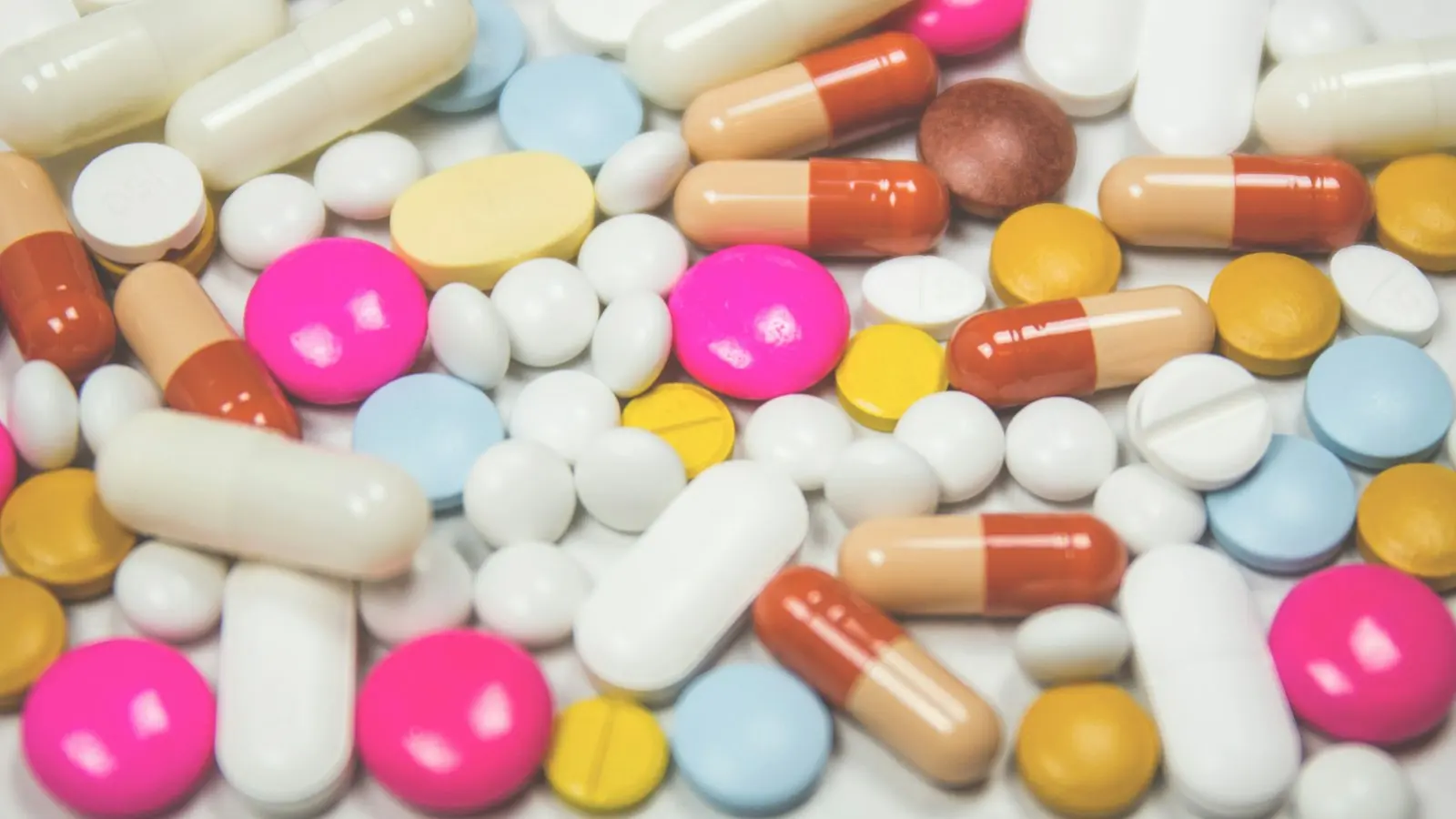
A pill with no active ingredient shouldn’t do anything. Yet in clinical trials, people taking sugar pills regularly report less pain, less nausea and better sleep. This is the placebo effect, and it’s one of the most fascinating examples of how expectations shape how we feel.
What is the placebo effect?
A placebo is a treatment with no active medical ingredient, such as a sugar pill or a saline injection. The placebo effect is the real improvement people experience after receiving it, because of their expectations, the context of care and how the brain processes symptoms.
That’s why new medicines are tested against placebos: a drug only counts as effective if it works better than a placebo.
How can a fake treatment have real effects?
Expectation
When you expect relief, your brain can change how it processes signals like pain. Brain imaging studies show that placebo pain relief is linked to real changes in brain activity, not just people saying they feel better.
The brain’s own painkillers
In some experiments, placebo pain relief was reduced by a drug that blocks the body’s natural opioids (endorphins). That suggests a placebo can trigger the release of the brain’s own pain-relieving chemicals.
Conditioning
If you’ve taken a real painkiller many times, your body learns to associate the ritual (the pill, the glass of water, the relief) with feeling better. A placebo can partly trigger that learned response.
The care context
A caring doctor, a clear explanation and the ritual of treatment all influence how we feel. Even the color, size and price of a pill can change how strong people believe it is.
Placebos that work even when you know
One of the most surprising findings: some studies of “open-label” placebos, where patients are told honestly that they are taking sugar pills, found that people still reported feeling better, for example with irritable bowel syndrome or chronic back pain. The effects tend to be modest, and researchers are still studying how reliable they are, but it shows the ritual of treatment itself can matter.
What placebos can and can’t do
This is the crucial part. Placebos mainly affect how you feel, not the underlying disease.
Placebos can help with subjective symptoms, such as:
- pain
- nausea
- fatigue
- some sleep and mood complaints
Placebos don’t cure diseases. They don’t shrink tumors, kill bacteria or fix a broken bone.
A well-known asthma study showed this clearly: patients reported feeling about as much better with a placebo inhaler as with a real one, but only the real medicine actually improved their lung function. Feeling better and being better are not always the same thing.
The dark twin: the nocebo effect
Expectations work in both directions. The nocebo effect happens when negative expectations cause real symptoms. For example, people in clinical trials who receive a placebo but have read the list of possible side effects sometimes report those side effects, such as headaches or nausea.
This is one reason doctors think carefully about how they describe risks, and why anxiety can make symptoms feel worse.
What this means for you
- Your expectations matter. A calm, positive approach to treatment can genuinely improve how you feel.
- Don’t replace real treatment with placebos or “miracle cures”. Many products sold online rely on the placebo effect to seem effective.
- Be skeptical of testimonials. “It worked for me” may be a placebo effect, not proof that a product works.
- Talk to your doctor about side-effect worries. Understanding risks clearly can reduce nocebo effects.
The bottom line
The placebo effect is real: expectations, conditioning and the care context can change how your brain processes symptoms like pain and nausea, sometimes even when people know they’re taking a placebo. But placebos mainly change how you feel, not the underlying disease, so they’re never a substitute for effective treatment.
→ Related: Why We Trust Confident People, Even When They’re Wrong and How to Tell If an Image or Video Is AI-Generated