Package Delivery Text Scams: How to Tell If a Parcel Text Is Fake
"Your package couldn't be delivered, pay a small fee to reschedule." Learn how fake delivery texts work, the signs that give them away, and how to safely check a real delivery.
Information current as of November 2026 · How we research · Report an error
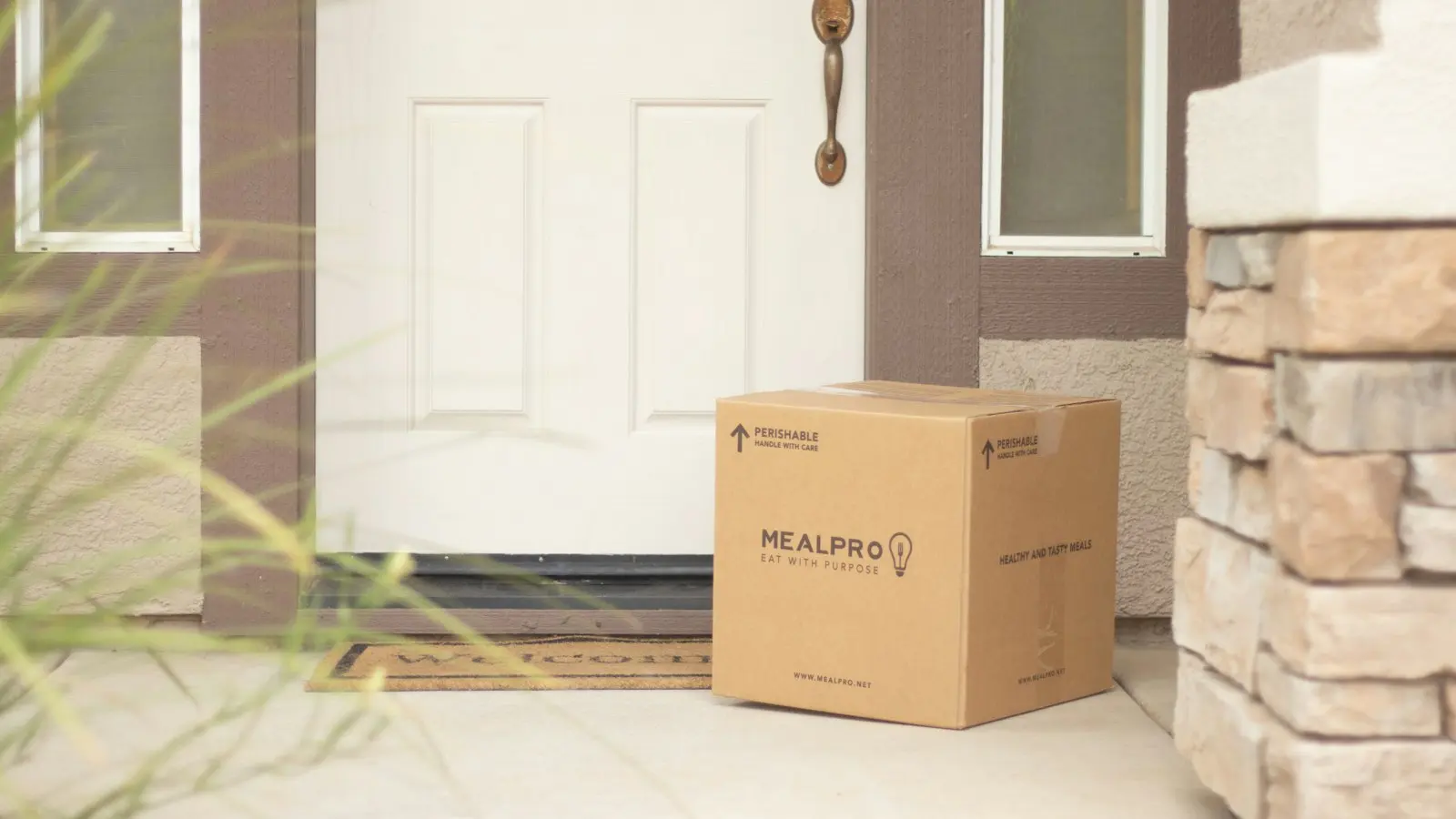
It’s one of the most common scams in the world: a text message claiming a parcel couldn’t be delivered, asking you to click a link to update your address or pay a small “redelivery fee.” Because so many of us are waiting for a package at any given moment, it’s easy to fall for.
How the scam works
- You receive a text that appears to come from a postal or courier service, such as a national post office, DHL, UPS or FedEx.
- It says there’s a problem with your delivery: an incomplete address, unpaid customs fees, or a failed delivery attempt.
- A link leads to a convincing copy of the courier’s website.
- You’re asked to enter your name, address, phone number and a small payment, often just one or two euros or dollars.
The small fee is the hook. The real goal is your card details, which are then used for larger purchases, or to set up a follow-up scam where someone calls pretending to be your bank.
8 signs a delivery text is fake
1. You weren’t expecting a parcel from that company
If you didn’t order anything, or your order is coming with a different courier, that’s a strong sign.
2. The link doesn’t go to the official website
Look at the address carefully. Scam links use domains that look plausible but aren’t the real one, such as random words, extra hyphens, unusual endings or link shorteners. Real couriers send you to their official domain.
3. It asks for a payment by link
Couriers do sometimes charge customs duties for international parcels, but scam texts typically ask for a tiny, oddly specific fee through a link. When in doubt, check in the courier’s official app or website.
4. It creates urgency
“Your parcel will be returned to sender today” or “within 12 hours” is designed to make you act without thinking.
5. It comes from a regular mobile number or email address
Official notifications usually come from short codes or named senders, though scammers can sometimes spoof these too, so this sign alone isn’t proof either way.
6. There’s no tracking number, or it doesn’t match
A real notification usually includes a tracking number you can check independently. Scam texts are often vague: “your package.”
7. Odd language
Strange capitalization, grammar errors or generic greetings can be clues, but AI tools have made many scam texts look polished, so don’t rely on this sign alone.
8. It asks for information the courier wouldn’t need
Your full card details, date of birth, or a verification code sent to your phone have nothing to do with delivering a parcel.
How to check a delivery safely
- Never use the link in the text.
- Open the official app of the courier or shop, or type the website address yourself.
- Use the tracking number from your order confirmation in the shop’s own account page or confirmation email.
- If you’re still unsure, contact the courier through their official website.
Simple rule: if the delivery is real, you’ll see the same information when you check through the official app or your order history.
What to do if you already clicked or paid
- If you only opened the link: close it, delete the message and report it.
- If you entered card details or paid: call your bank immediately using the number on your card, block the card, and watch for unfamiliar transactions.
- If you entered a code sent to your phone: tell your bank right away. That code may have been used to approve a payment.
Our step-by-step guide covers every situation: I clicked a phishing link: what to do now.
How to reduce scam texts
- Report the text as spam in your messaging app. On iPhone, tap Report Junk; on Android, use Block & report spam.
- Turn on spam filtering: on iPhone, go to Settings → Apps → Messages and enable Filter Unknown Senders; on Android, open Messages → Settings → Spam protection.
- Be careful where you share your phone number, especially on contests and unfamiliar shopping sites.
Got a suspicious text? Tick the warning signs and see how risky it is.
Free Scam Message Checker →The bottom line
Fake delivery texts work because they’re plausible and the requested fee is small. Real couriers won’t ask you to pay through a random link, and you can always check a real delivery in the official app or your order history. When in doubt, don’t click: go to the source.