Black Friday Scams: 9 Tricks to Watch For and How to Shop Safely Online
Fake shops, too-good-to-be-true deals, parcel texts and gift card traps all spike around Black Friday. Learn the warning signs and a simple checklist for safer online shopping.
Information current as of November 2026 · How we research · Report an error
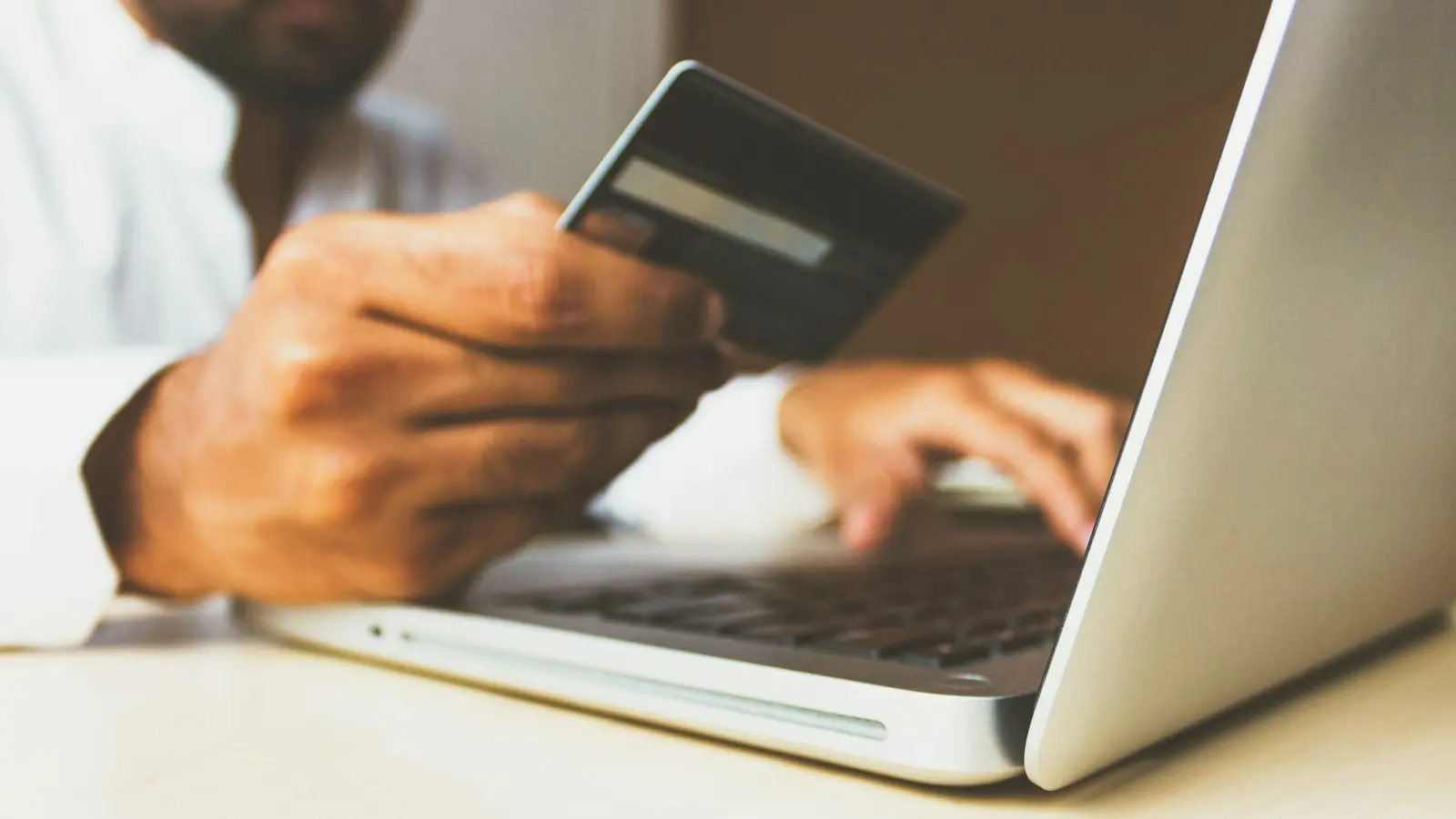
Black Friday and Cyber Monday are great for bargains, and for scammers. Millions of people are hunting for deals, expecting lots of emails and delivery texts, and making quick decisions. That’s exactly the kind of rush criminals love.
Here are the most common Black Friday scams, how to spot each one, and a short checklist to keep your money safe.
1. Fake online shops
Scammers build convincing websites, often copying the logo and photos of a real brand, then advertise huge discounts on social media. You pay, and either nothing arrives or you get a cheap fake.
Warning signs:
- Prices that are 50–90% off popular items that rarely go on sale.
- A brand-new domain or an odd address, like
nike-outlet-sale.shopinstead of the official site. - No real contact details, only a form or a free email address.
- Payment only by bank transfer, crypto or gift card.
- Spelling mistakes, and reviews that all sound the same.
What to do: type the store’s address yourself or use its official app, and search the shop’s name plus “scam” or “reviews” before buying from a site you don’t know.
2. Too-good-to-be-true ads on social media
Many fake shops reach people through ads and sponsored posts on Facebook, Instagram and TikTok. An ad being on a big platform doesn’t mean the seller is legitimate.
What to do: don’t buy straight from an ad for an unknown store. Check the deal on the brand’s official website first.
3. Phishing emails dressed as deals
Expect emails that look like they’re from Amazon, a big retailer or your bank, with subjects like “Your exclusive Black Friday coupon” or “Problem with your order”. The link leads to a fake login page that steals your password or card details.
What to do: don’t log in through email links. Open the app or type the website address yourself. Learn the signs in How to Spot Phishing Emails.
4. Fake delivery texts
With so many parcels on the way, texts like “Your package is on hold, pay €1.99 to reschedule” work well for scammers. The small fee is just bait to collect your card number.
What to do: check tracking only in the courier’s official app or website, using the tracking number from the shop. More details: Fake Delivery Text Scams.
5. Gift card scams
Gift cards are popular presents and popular with criminals, because they’re hard to trace. Watch for:
- sellers or “support agents” who ask you to pay with gift cards,
- online offers of gift cards at a big discount from unofficial sellers,
- cards in stores whose packaging looks tampered with.
Rule of thumb: no legitimate company or government agency asks you to pay a bill with gift cards.
6. Fake “you’ve won” surveys and giveaways
Pop-ups and messages promising a free phone or a big voucher if you complete a short survey usually end with a request for your card details “to cover shipping”, or a hidden subscription.
What to do: close the page. Real giveaways don’t ask for card details to claim a prize.
7. Marketplace and second-hand scams
On marketplaces and classified sites, watch for sellers who:
- ask you to pay outside the platform (bank transfer, payment apps “as friends and family”),
- push you to decide quickly because “many people are interested”,
- send a link to a fake payment or delivery page.
What to do: keep conversations and payments inside the platform, so its buyer protection applies.
8. Fake price drops and countdown timers
Not every trick is a crime, but some are misleading. Some sellers raise prices before Black Friday so the “discount” looks bigger, or use fake countdown timers to rush you.
What to do: compare prices across a few shops, and use a price-history tool for big purchases if one is available in your country.
9. Account takeover
If scammers get your password for a big shopping site, they can order items with your saved card. Reusing the same password on many sites makes this much easier.
What to do: use a unique password for each shop, ideally stored in a password manager, and turn on two-step verification. See Password Managers Explained and Two-Factor Authentication Explained. You can also test how strong yours is with our free Password Strength Checker.
Suspicious message or deal? Tick the warning signs and see what to do.
Free Scam Message Checker →Your safe shopping checklist
Before you pay, run through this quickly:
- Is this the real website? Check the address carefully, or use the official app.
- Is the price realistic? If it’s far below every other shop, be suspicious.
- Can I find real reviews of this shop outside its own website?
- Am I paying with a protected method? Credit cards and well-known payment services usually give better protection than bank transfers, crypto or gift cards.
- Did I arrive here from a link in an email, text or ad? If yes, go to the site directly instead.
- Am I on safe Wi-Fi? Avoid entering card details on public Wi-Fi. See Is Public Wi-Fi Safe?.
Already paid a scammer?
Act fast:
- Call your bank or card provider using the number on the back of your card. Ask them to block the card and dispute the payment.
- Change your password on any account you entered on the fake site, and anywhere you reused it.
- Keep evidence: screenshots, emails, the website address and payment details.
- Report it to your country’s fraud or consumer protection service, and to the platform where you saw the ad.
If you clicked a suspicious link, follow I Clicked a Phishing Link: What to Do Now.
The bottom line
Most Black Friday scams rely on the same three things: a deal that seems unbelievable, a sense of urgency, and a link you didn’t go looking for. Slow down, go to shops directly, pay with protected methods and use unique passwords. You’ll still get the bargains, without the nasty surprises.
→ Related: Online Security: A Complete Beginner’s Guide