

The 2-Minute Breath Reset That Calms Your Nervous System
The physiological sigh is a simple breathing pattern that can calm stress fast in about two minutes.
💡 Did You Know?
Slow exhalations activate the parasympathetic nervous system.
Introduction
When stress spikes, your body needs a quick reset. One of the fastest tools is a breathing pattern called the physiological sigh.
The Focus Keyword: physiological sigh
The physiological sigh is two quick inhales followed by a long, slow exhale. It helps the body release carbon dioxide and lowers arousal.
Why It Works
Short double inhales open air sacs in the lungs. The long exhale signals safety to the nervous system.
How to Do It
Repeat for one to two minutes:
- Inhale through the nose.
- Take a second short inhale at the top.
- Exhale slowly through the mouth.
When to Use It
This works well when you:
- Feel anxious before a call or meeting.
- Need to reset after bad news.
- Want to calm racing thoughts.
Keep It Simple
The goal is not perfect technique. It is a quick shift in body state. Two minutes is enough for most people to feel a drop in tension.
Why This Matters
Quick stress reduction improves decision making and prevents escalation. A simple breathing pattern gives you a tool you can use anywhere.
Conclusion
The physiological sigh is a fast, science backed reset. It is simple, quiet, and always available. Two minutes can [change](/post/why-leaves-change-color-in-fall) your state.
Quick Recap
- Two inhales, one long exhale.
- Calms the nervous system quickly.
- Works anywhere, anytime.
Most Surprising Fact
Two minutes of paced breathing can lower perceived stress.
Two minutes of breathing can change your state.
— CurioSpark
💬 Perfect for sharing on social media
📊 Quick Poll
Have you tried a breathing reset before?
🎯 Want More Mind-Blowing Facts?
Join 50,000+ curious minds getting weekly discoveries in their inbox
No spam. Unsubscribe anytime. 100% free.
Questions? info@curiospark.org
How did this article make you feel?
📚Sources & Further Reading
- •Stress— National Institutes of Health (NIH)
- •Physiological sigh research (PubMed)— National Institutes of Health (NIH)
All facts on CurioSpark are verified by our editorial team using peer-reviewed research and authoritative sources. Learn about our fact-checking process
🔗 Related Facts You'll Love
The Science-Backed Secrets to Living 10+ Years Longer
Here's the surprising truth that decades of research have revealed: genetics account for only about 20-30% of how long you live. The rest? It comes down to your daily habits, social connections, and l...
Blue Light at Night: What It Actually Does to Sleep
Blue light can delay sleep by suppressing melatonin, but timing and brightness matter more than panic.
Why Cold Water Wakes You Up Fast
Cold water triggers a rapid alert response, raising heart rate and breathing to help you feel awake.
Why Morning Sunlight Helps Your Sleep Later
Early daylight anchors your circadian rhythm, which helps you fall asleep faster and improve sleep quality at night.
Did this blow your mind? Share it with someone who needs to know!
Our team of researchers, writers, and fact-checkers work together to bring you the most fascinating and accurate facts from science, psychology, and human behavior. We're passionate about making complex topics accessible and engaging for curious minds everywhere.
Related Articles

The Science-Backed Secrets to Living 10+ Years Longer
Here's the surprising truth that decades of research have revealed: genetics account for only about 20-30% of how long you live. The rest? It comes down to your daily habits, social connections, and l...

Blue Light at Night: What It Actually Does to Sleep
Blue light can delay sleep by suppressing melatonin, but timing and brightness matter more than panic.

Why Cold Water Wakes You Up Fast
Cold water triggers a rapid alert response, raising heart rate and breathing to help you feel awake.
Read Next
The Science-Backed Secrets to Living 10+ Years Longer
Here's the surprising truth that decades of research have revealed: genetics account for only about 20-30% of how long you live. The rest? It comes down to your daily habits, social connections, and l...
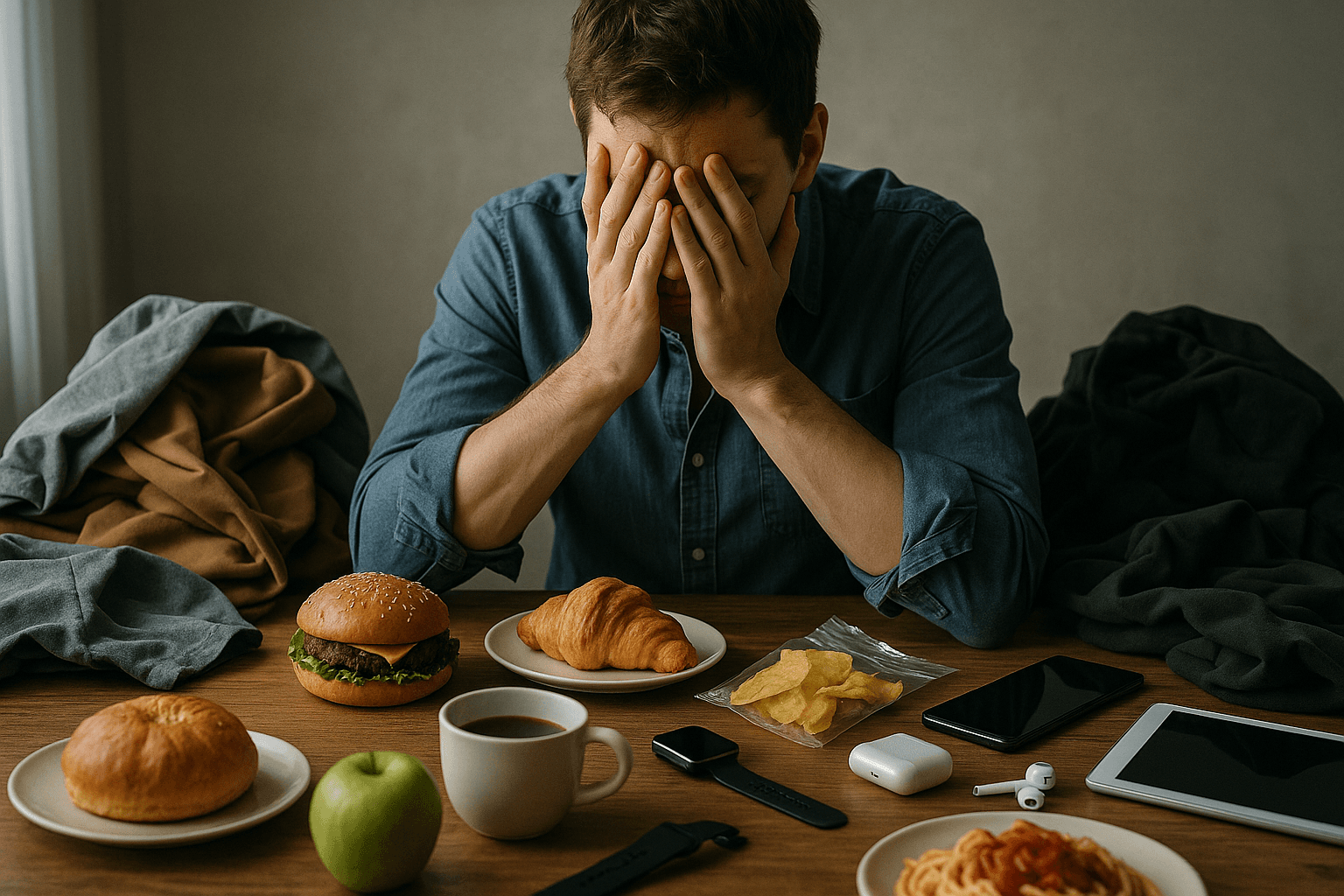
The Hidden Cost of Small Choices: Decision Fatigue
Have you ever found yourself exhausted after a day filled with trivial decisions? Maybe you’ve spent thirty minutes trying to choose which series to binge-watch, or perhaps you’ve stood in front of...

Why Your Body Clock Controls More Than Sleep
Your body clock influences far more than bedtime. With better timing of light, meals, focus blocks, and recovery, you can improve energy and consistency without extreme routines.
Enjoyed this article?
Get more amazing facts delivered to your inbox