
Productivity: Why Working Less Produces More
Contrary to intuition, working more hours doesn't mean accomplishing more. Research shows that 40 hours per week is the sweet spot. Beyond a certain threshold, each additional hour...
The Productivity Paradox
Contrary to intuition, working more hours doesn't mean accomplishing more. Research shows that 40 hours per week is the sweet spot.
The Law of Diminishing Returns
Beyond a certain threshold, each additional hour produces fewer results and increases the risk of errors and burnout.
Strategic Breaks
Regular breaks aren't wasted time but an investment. The brain consolidates information and generates creative insights during downtime.
Deep Focus
Four hours of concentrated work without distraction produces more than eight fragmented hours. Quality over quantity.
🎯 Want More Mind-Blowing Facts?
Join 50,000+ curious minds getting weekly discoveries in their inbox
No spam. Unsubscribe anytime. 100% free.
Questions? info@curiospark.org
How did this article make you feel?
🔗 Related Facts You'll Love
Why Tiny Delays Make Apps Feel Slower Than They Are
A practical explanation of why apps feel slow, why it happens, and how this small pattern shapes attention, memory, and daily choices.
The Science-Backed Secrets to Living 10+ Years Longer
Here's the surprising truth that decades of research have revealed: genetics account for only about 20-30% of how long you live. The rest? It comes down to your daily habits, social connections, and l...
The Hidden Cost of Small Choices: Decision Fatigue
Have you ever found yourself exhausted after a day filled with trivial decisions? Maybe you’ve spent thirty minutes trying to choose which series to binge-watch, or perhaps you’ve stood in front of...
Why Your Body Clock Controls More Than Sleep
Your body clock influences far more than bedtime. With better timing of light, meals, focus blocks, and recovery, you can improve energy and consistency without extreme routines.
Did this blow your mind? Share it with someone who needs to know!
Our team of researchers, writers, and fact-checkers work together to bring you the most fascinating and accurate facts from science, psychology, and human behavior. We're passionate about making complex topics accessible and engaging for curious minds everywhere.
Frequently Asked Questions
It's a state of intense concentration without distraction that allows you to accomplish complex tasks efficiently.
Related Articles

Why Tiny Delays Make Apps Feel Slower Than They Are
A practical explanation of why apps feel slow, why it happens, and how this small pattern shapes attention, memory, and daily choices.
The Science-Backed Secrets to Living 10+ Years Longer
Here's the surprising truth that decades of research have revealed: genetics account for only about 20-30% of how long you live. The rest? It comes down to your daily habits, social connections, and l...
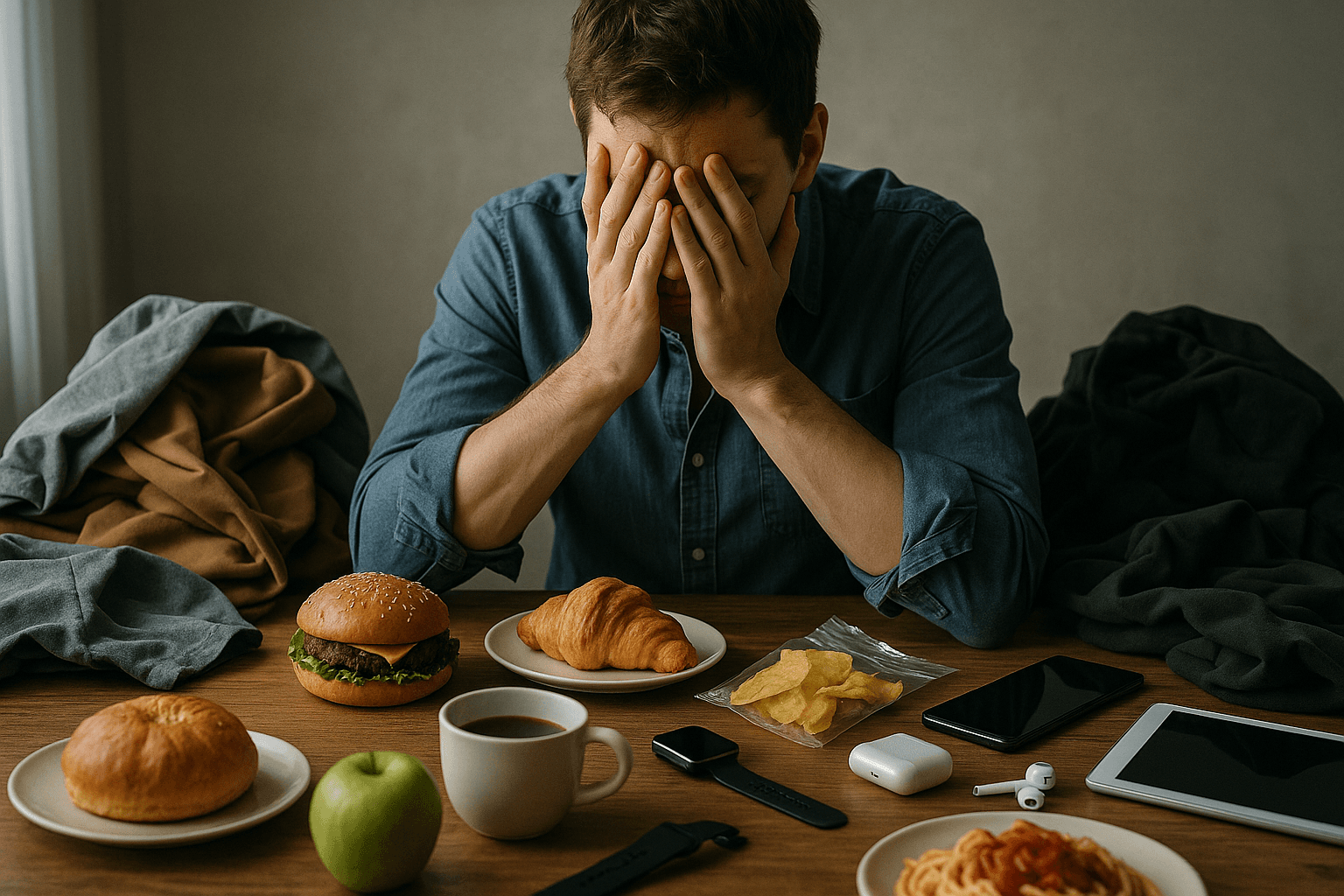
The Hidden Cost of Small Choices: Decision Fatigue
Have you ever found yourself exhausted after a day filled with trivial decisions? Maybe you’ve spent thirty minutes trying to choose which series to binge-watch, or perhaps you’ve stood in front of...
Read Next
The Science-Backed Secrets to Living 10+ Years Longer
Here's the surprising truth that decades of research have revealed: genetics account for only about 20-30% of how long you live. The rest? It comes down to your daily habits, social connections, and l...
The Hidden Cost of Small Choices: Decision Fatigue
Have you ever found yourself exhausted after a day filled with trivial decisions? Maybe you’ve spent thirty minutes trying to choose which series to binge-watch, or perhaps you’ve stood in front of...

Why Your Body Clock Controls More Than Sleep
Your body clock influences far more than bedtime. With better timing of light, meals, focus blocks, and recovery, you can improve energy and consistency without extreme routines.
Enjoyed this article?
Get more amazing facts delivered to your inbox