AI Voice Cloning Scams: How They Work and How to Protect Your Family
Scammers can now copy a loved one's voice from a short clip and call asking for urgent money. Learn how voice cloning scams work, the warning signs, and the simple family code word that stops them.
Information current as of November 2026 · How we research · Report an error
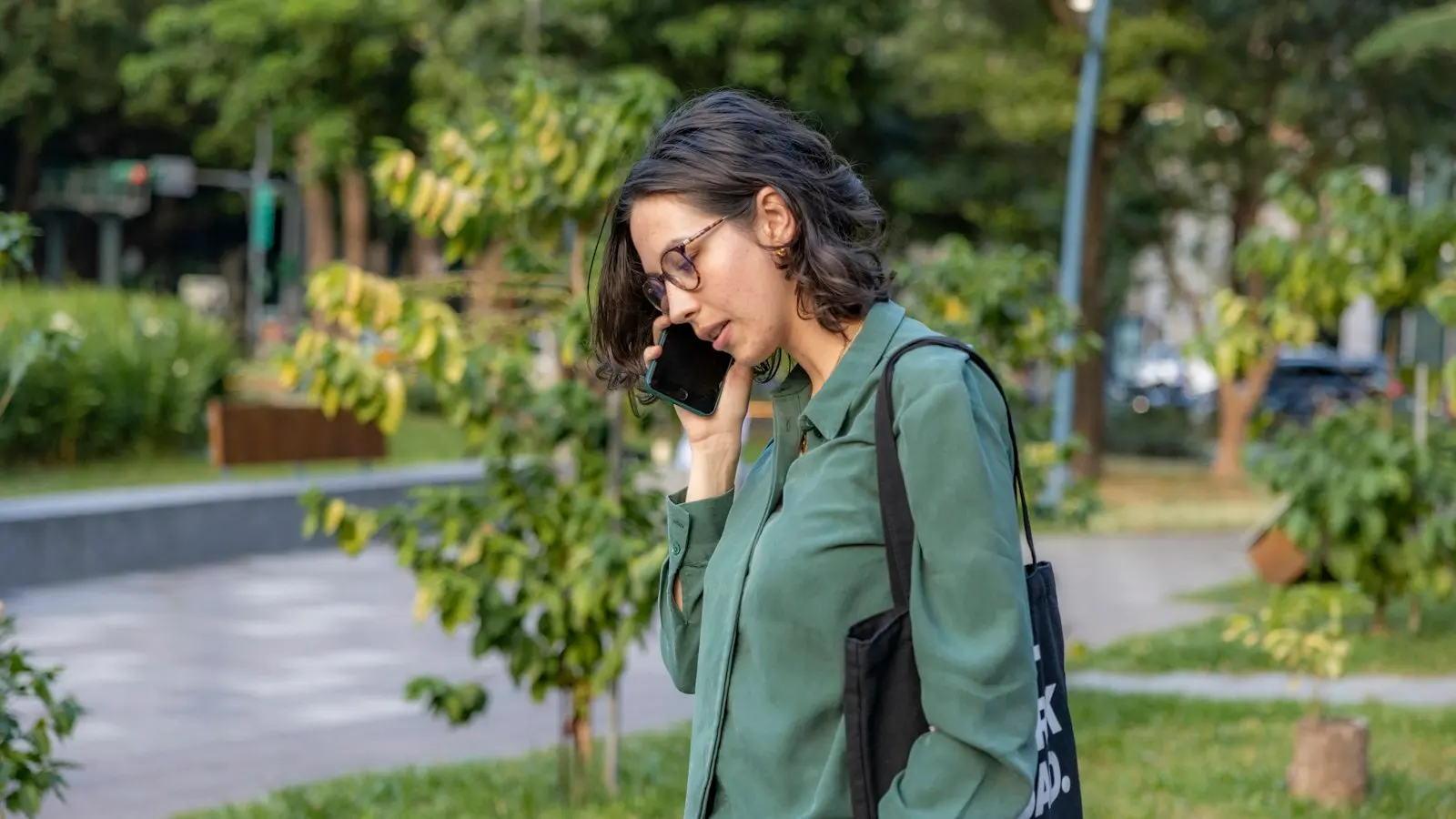
Imagine your phone rings and you hear your son, daughter or parent, crying, saying they’ve been in an accident or arrested and need money right now. The voice sounds exactly right. But it isn’t them. It’s a scammer using AI to clone their voice.
Voice cloning scams are an AI-powered version of the old “family emergency” scam. They’re convincing because they target emotion, not logic. The good news is that a few simple habits make you very hard to fool.
How voice cloning works
AI voice tools can learn the sound of someone’s voice from a recording and then generate new speech in that voice, saying anything the scammer types. Depending on the tool, a usable clone can be made from a fairly short sample, sometimes just seconds of clear audio.
Where do scammers get the sample?
- Social media videos: TikTok, Instagram Reels, YouTube, Facebook videos.
- Voicemail greetings.
- Short phone calls where the scammer gets you talking (“Hello? Who is this? Can you hear me?”).
- Podcasts, livestreams and public speeches.
The cloned voice may not be perfect, but over a phone line, in a panic, it doesn’t need to be.
Common versions of the scam
The family emergency
A “child” or “grandchild” calls in distress: an accident, an arrest, being stranded abroad, a hospital bill. Often a second person, a “lawyer,” “police officer” or “doctor,” takes over to explain where to send money.
The fake kidnapping
The caller plays a cloned voice screaming or crying, then demands a ransom immediately and insists you stay on the line and tell no one. These calls are terrifying, which is exactly the point.
The boss or colleague
At work, a cloned voice of a manager or executive calls asking for an urgent payment, gift cards or confidential information. These are sometimes combined with fake emails or video calls.
The bank or official
A call that sounds like someone you know from your bank or a government office asks you to “verify” codes or move money to a “safe account.”
Warning signs
- Extreme urgency: “Right now,” “Don’t hang up,” “There’s no time.”
- Secrecy: “Don’t tell Mom,” “Don’t call anyone,” “Keep this between us.”
- Unusual payment methods: gift cards, cryptocurrency, wire transfers, payment apps, or cash picked up by a courier.
- A different number from the one you have saved, or a hidden number. (Caller ID can also be faked, so a familiar number isn’t proof either.)
- The person avoids personal questions or the call cuts off when you ask something specific.
- Odd audio: slightly robotic tone, strange pauses, no background noise, or a voice that doesn’t quite react to what you say.
What to do if you get a call like this
- Pause and breathe. The scam relies on panic. A few seconds of calm thinking is your best defense.
- Ask a question only the real person would know, something that isn’t on social media.
- Hang up and call them back on the number you have saved for them. Or contact another family member who is with them or can reach them.
- Use your family code word (see below).
- Don’t send money, gift cards, crypto or codes while you’re still on the call, no matter how convincing it sounds.
A real emergency can wait two minutes while you verify. A scam can’t.
The family code word: the simplest protection
Agree on a secret word or phrase with your family that you’d use in a real emergency. If someone calls claiming to be a family member in trouble, ask for the code word. A scammer with a cloned voice won’t know it.
Tips:
- Choose something memorable but not guessable, not a pet’s name or anything posted online.
- Never share it in texts, emails or social media.
- Make sure older relatives and teenagers know it; they’re frequent targets.
How to reduce your risk
- Limit public voice recordings. Consider making personal social media accounts private, especially those with lots of videos of you or your children talking.
- Use a generic voicemail greeting instead of recording your own voice.
- Don’t talk much to unknown callers. If a number you don’t know calls and nobody speaks, hang up.
- Lock down personal details online: scammers combine voices with information like names, schools and travel plans.
- Talk about it with family. Knowing that this scam exists is one of the strongest protections.
At work
- Never approve payments or changes to bank details based on a phone call or voice message alone.
- Verify through a second channel: call back on a known number, or confirm in person or through the official company system.
- Encourage a culture where it’s normal to double-check, even with senior managers.
If you’ve already paid
- Contact your bank or payment provider immediately. The faster you act, the better the chance of stopping or reversing the payment.
- If you paid with gift cards, contact the gift card company right away with the card details and receipt.
- Report it to the police and your country’s fraud reporting service.
- Warn your family, as scammers sometimes try again with a different story.
- If you shared passwords or codes, change them and turn on two-factor authentication.
→ Think Your Account Was Hacked? A Step-by-Step Recovery Plan
The bottom line
AI can copy a voice, but it can’t copy what your family knows. Slow down, hang up and call back on a known number, and use a family code word. Never send money during an urgent, secretive call, however real the voice sounds.
→ Related: How to Tell If an Image or Video Is AI-Generated and The Complete Online Security Guide