

People Are More Honest in the Morning
Our self-control and moral compass are strongest early in the day.
The Morning Morality Effect
Research shows that [people](/post/why-we-trust-confident-people-even-when-they-are-wrong) are more likely to lie, cheat, and behave unethically as the day progresses.
Why Does This Happen?
Several factors contribute:
- Decision fatigue: We make hundreds of small ethical decisions daily
- Ego depletion: Willpower is a limited resource
- Cognitive load: Mental exhaustion reduces self-control
Understanding <a href="/post/decision-fatigue-hunger" class="text-purple-600 dark:text-purple-400 hover:underline font-medium">how hunger and fatigue affect decision-making</a> can help you plan important choices better.
The Research
Studies found:
- Cheating increases in afternoon vs. morning
- Dishonest behavior peaks late in day
- Unethical behavior correlates with tiredness
Practical Applications
For better outcomes:
- Schedule important ethical decisions early
- Make financial choices in the morning
- Have difficult conversations before noon
- Create systems that don't rely on willpower
The Evening Effect
This doesn't make you a bad person—it's just biology. Understanding it helps you plan better.
🎯 Want More Mind-Blowing Facts?
Join 50,000+ curious minds getting weekly discoveries in their inbox
No spam. Unsubscribe anytime. 100% free.
Questions? info@curiospark.org
How did this article make you feel?
🔗 Related Facts You'll Love
The Hidden Cost of Small Choices: Decision Fatigue
Have you ever found yourself exhausted after a day filled with trivial decisions? Maybe you’ve spent thirty minutes trying to choose which series to binge-watch, or perhaps you’ve stood in front of...
Why We Trust Confident People Even When They Are Wrong
Confidence feels like competence, but it can be misleading. Learn the psychology behind confidence bias.
Habit Stacking: The Simple Way to Build New Habits
Habit stacking links a new habit to an existing routine, making behavior change easier to stick.
Why People Trust Confident Speakers (Even When They Are Wrong)
Confidence signals certainty, and our brains often treat certainty as truth. That shortcut can mislead us in decisions, media, and leadership.
Did this blow your mind? Share it with someone who needs to know!
Our team of researchers, writers, and fact-checkers work together to bring you the most fascinating and accurate facts from science, psychology, and human behavior. We're passionate about making complex topics accessible and engaging for curious minds everywhere.
Frequently Asked Questions
Self-control and willpower are strongest in the morning. As the day progresses, decision fatigue and ego depletion reduce our ability to resist unethical impulses.
Related Articles
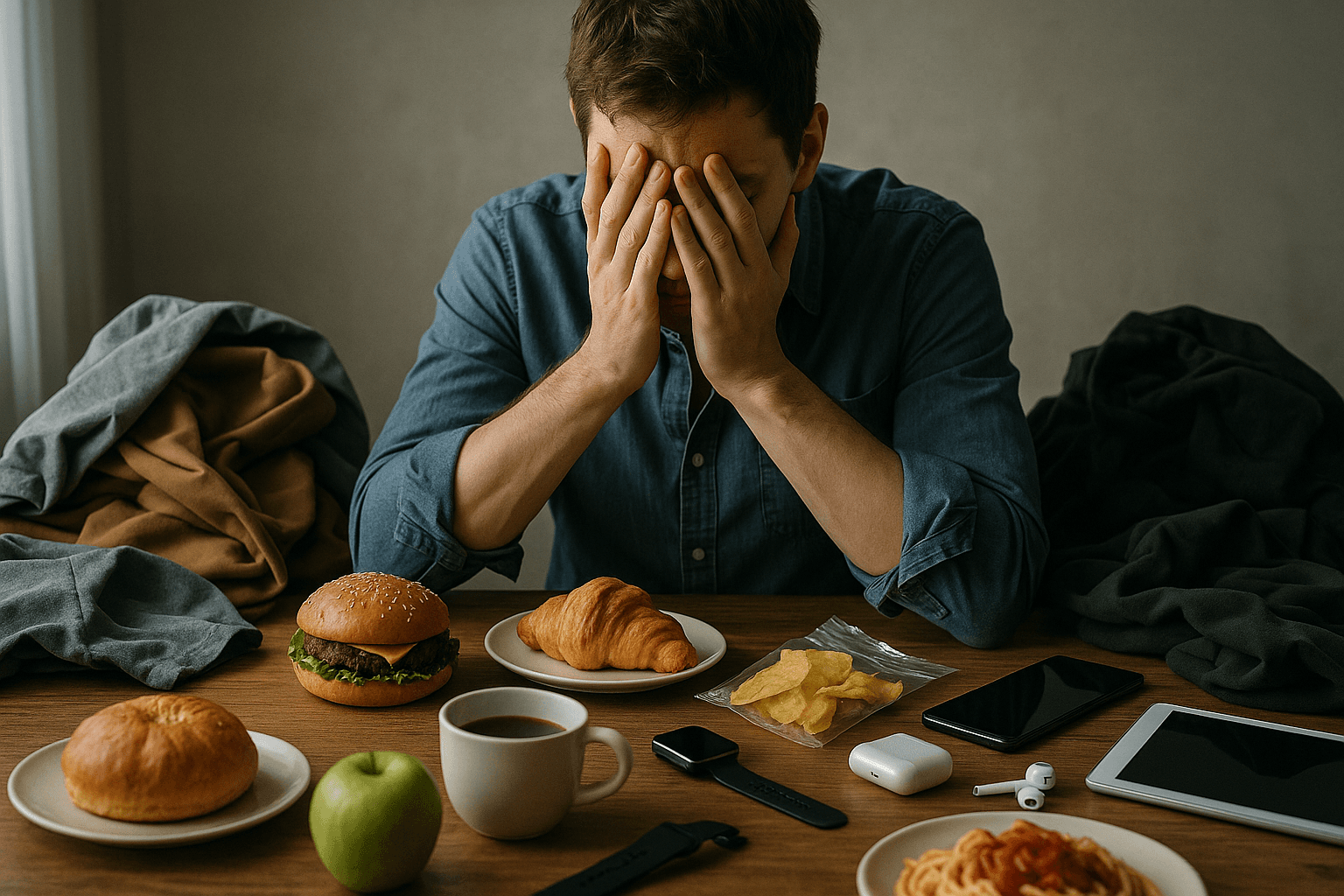
The Hidden Cost of Small Choices: Decision Fatigue
Have you ever found yourself exhausted after a day filled with trivial decisions? Maybe you’ve spent thirty minutes trying to choose which series to binge-watch, or perhaps you’ve stood in front of...

Why We Trust Confident People Even When They Are Wrong
Confidence feels like competence, but it can be misleading. Learn the psychology behind confidence bias.

Habit Stacking: The Simple Way to Build New Habits
Habit stacking links a new habit to an existing routine, making behavior change easier to stick.
Read Next

The Science-Backed Secrets to Living 10+ Years Longer
Here's the surprising truth that decades of research have revealed: genetics account for only about 20-30% of how long you live. The rest? It comes down to your daily habits, social connections, and l...
The Hidden Cost of Small Choices: Decision Fatigue
Have you ever found yourself exhausted after a day filled with trivial decisions? Maybe you’ve spent thirty minutes trying to choose which series to binge-watch, or perhaps you’ve stood in front of...

Why Your Body Clock Controls More Than Sleep
Your body clock influences far more than bedtime. With better timing of light, meals, focus blocks, and recovery, you can improve energy and consistency without extreme routines.
Enjoyed this article?
Get more amazing facts delivered to your inbox